Proud goth, ex DJ and music reviewer

The artist, Dave McAnally, is better known for his Ministry/Rob Zombie inspired act, The Derision Cult but this Chicago based musician also has a far more synth based project called .SYS Machine. .SYS Machine is the darker, quieter sibling, with a far more reflective soul. December saw the release of Graceful Isolation, which features five tracks and eight remixes, all created in a collaborative manner. We spoke to Dave about these collaborations, inspirations and how life is changing.

Welcome down the hole of weirdness that is Onyx, Dave McAnally of .SYS Machine.

December 2021 saw the release of Graceful Isolation and this title came out of the fact none of your collaborators ever met up in the same room. How did you pull it all together?
With everyone having to work remotely- whether its music or in other work life- it’s probably easier now than its ever been to work remotely.  For me, it was just a matter of making a list of people I’d like to work with and then with Kim and Gabe from Microwaved (who does a remix on here) we added to that list and I started reaching out!  I’d say 80% of the people who I reached out to where into it and wanted to get involved.  The other 20% was either just schedules were too tough to work or they were tied up with other things.  So it was actually a pretty easy process to line up.  

You brought some heavy talent on the album in the form of Kimberly Kornmeier of Bow Ever Down doing the vocals on three of the tracks as well as getting the likes of Assemblage 23, Spankthenun, The Joy Thieves, Miss Suicide et al to do some rather wicked remixes. How did you lure them all onto the project?  
Kim came about because she’d done vocals on my buddy Gabe’s track Save Me earlier this year and I was really impressed and it just so happened I had some instrumental tracks I’d been tinkering on that I thought her style and approach would be really interesting for.  She was immediately on board and she’s really great to work with (she collaborates with a ton of artists so she knows how to deliver and mold what she does to the tracks). 

 I knew I wanted to do remixes, but one thing led to another talking with Kim and Gabe, and we thought of people who would bring some cool flavors to the tracks and then I just started hitting folks up.  Sys Machine isn’t a big name or anything on the scene so I wasn’t really sure what would happen as far as interest.  Nevertheless, Assemblage 23 and The Joy Thieves jumped on straight away which was awesome.   Once that happened the ball just kept rolling.  Not a whole lot of luring was involved!   I suspect with people unable to play shows last year, bandwidth was freed up which helped.  

DAVE MCANALLY – .SYS MACHINE

The Derision Cult is your original project that you have been releasing music under since 2014 and 2021 saw you drop the album Charlatans Inc. in September before Graceful Isolation. Was it your intention to stay busy or did it all evolve naturally?
It was a total natural thing for me!   For a long time, I’ve always had a few projects going at once, and these two are my big ones.  I work a lot slower than it probably seems on the surface.  I’m one of those people that’ll start an idea, leave it alone for a month or two, and come back to it and maybe it’ll get finished.  The Derision Cult tracks were marinating over the course of a year and a half and while I was working on that I was also doing things that ultimately became Graceful Isolation.  By last summer, I was really excited about both and didn’t want to just sit on them for the sake of spacing out releases so I just kept on moving along. 

 I think my output will slow down going forward as I really found myself enjoying working with people vs. being a lone wolf.  I’m happy to slow my roll and make time for other people to get involved and put more work into each release.   But there’s always various things I’ve got cooking.  I’ve got about 30 blues and acoustic jams I’ve amassed over the past 6 months that I would typically release as Jefferson Dust that are in various stages of completion that I’m always working on.  Someday maybe 10 of those will be worth sharing with the public!  Same is true for other projects. 

.SYS Machine is very different to the far more guitar driven The Derision Cult. What prompted you to pursue this more electronic sound?
Sys Machine has sort of been where all my science experiments go.  I started putting things out under that moniker that were essentially toying with new synths, drum loops or whatever.   All instrumental and not really songs in as much as they were soundscapes.  In a way, it’s really just me exploring getting better with programming and all things electronic.  Once Kim got involved, for me at least, Sys Machine stopped being a bunch of science experiments and started to congeal into something that felt a little more meaningful.  So that’s where it stands now. 

Derision Cult was and is an entirely different thing.  I’m a thrash guitar guy deep down.  Those riffs are part of my DNA going back 30+ years.  So when I started that project, I had a very deliberate idea of what I wanted it to be and sound like and I’ve been evolving on that theme ever since. 

You have spoken about how you were a heavy drinker for 25 years, then decided to give the habit up. Has that been hard to do and how has this changed your perspective on life, the music you create and the music scene?
ya know it really wasn’t!  And that kind of surprised me at how easy it was to just walk away from the booze.  I just took stock of my life and health and what path I was on and made a decision.  I think the key is actually TELLING people you’re going to stop.  Like once I told my wife and friends then it was real.   I’m really happy I did it.  I feel better, I find myself less stressed out and I have more energy  and time for things I care about– including music.  It was really just the right time for me to leave that behind.  I saw an interview with Billy Connolly where he was saying you can be wild and crazy in your 20’s and 30’s and it’s a lot of fun.  But once you get into your 40’s it starts to be a little pathetic carrying on like you’re in a frat house.  I believe that to be true. the other thing was pandemic.   

I run my own businesses and I work out of my house so it’s not like I have a job to go to or anything.  Boredom sets in and you’ll be sitting there like “fuck it, I’m not hurtin’ anybody!” and next thing you know, you’ve gone through a fifth of whiskey just watching TV or whatever.  Once that started happening, I could feel my health starting to slide.  I have had friends over the years who’ve died from things like liver failure and heart attacks and all that so I knew where this path would lead.   I read that Alan Karr book about quitting drinking and that was pretty much that.  Quitting drinking has definitely helped me live more in the moment.  I find myself with a lot more time since my weekend mornings are free, I’m motivated to go hard all day long cos that “it’s 5 o’clock somwhere!” mindset is gone. 

As far as music and art, I think it’s a lot easier to be realistic and objective.  When you’re drinking or stoned or whatever, you can think everything you’ve done is the greatest thing ever.  Not so much when you’re stone sober.  As far as the scene, the thing that really surprised me is how little drinking really is part of people’s lives. I never really noticed that before.  It might just be more evidence of how hard living I was compared to everyone else ha.   That isn’t to say they don’t drink, but especially with artists I collaborate with, it just doesn’t seem like it’s as big of a deal to them as it might have been for me.   By the way, I don’t mean any of this to come off as a “Drinking and Drugs don’t work kids!” type of rant – cos they do!  It’s fun getting hammered and wasted.  I had a great time living that life and don’t regret  that period for what it was.   But I’m definitely happier and more productive with where I’m at. 

What bands were the gateway drug into industrial music for you?
Heh, well I’m kind of weird like that.  Psalm 69 came out around the same time Megadeth’s Countdown to Extinction, Metallica’s Black Album, White Zombie La Sexorcisto and Anthrax Sound of White Noise were coming out so it just fit right in with what I was into at the time.  I didn’t really think of it as a new genre or door to open.  Of all things, I happened to be a big David Bowie fan back then too and I thought Tin Machine- or more specifically their guitar player Reeves Gabrels was a badass. 

I knew of Bowie’s other gunslingers.  I’d read that Adrian Belew was doing things with Trent Reznor and NIN so that got me curious– like “hey maybe these synth people can rock too!”.  That was sort of my moment of truth.  This was maybe 93 or so right before Downward Spiral came out – then later on Bowie and NIN went on tour together and it was like the universe all made sense!   I was living in Iowa at the time and Chicago isnt’ too far so I got wind of what was all going on with Wax Trax and I’ve been into it ever since.  So I guess you could say Tin Machine-Era David Bowie was my gateway drug haha. 

Whose music do you enjoy now or blows your mind into thinking ‘I wish I had written that!’?
I listen to a ton of things across a lot of genres.  When I’m just hanging around, especially this time of year, I’m more blues and Americana.  I think the new James McMurtry album is amazing– his turn of phrase and how he crafts stories in his lyrics always blows my mind.  I don’t necessarily endeavor to write like him, but those storyteller songwriters are a master class in how to take a listener on a journey.  The Reverend Peyton’s new album Dance Songs For Hard Times is absolutely excellent.  My daughter really likes the Rev so we’re playing that around the house a lot. 

Closer to home genre-wise, this probably sounds cliche, but I really like the fusion of blues and industrial on the new Rob Zombie.  The Joy Thieves Album American Parasite is great- lot of energy on there and I have that on quite a bit.  I’m digging the new Ministry album too!  Love Jello showing up on tracks and I’m not sure if this is a popular opinion, but I think Al’s take on Search and Destroy was awesome.  There’s some “Boy I wish I thought of that” riffs on there. 

What is in store for you in the future with .SYS Machine and The Derision Cult, plus will there be more collaborations?
Yeah man!  I’m actually working on the next Derision Cult now.  Sean Payne from Cyanotic and Conformco is producing and already I feel like it’s a giant leap forward just working with him and handing the reigns over.  I really love the sci-fi/robotic feel to what he does and I’d love to fuse that with what I do.  Very early stages but I’ve got some guests in mind for tracks.  I can’t say who yet, but there’s one that if it comes together, it’ll be a total full-circle thing cos it’s such a blast from the past and a huge influence on me personally.  So that’ll be my focus for awhile bringing that to life.   

On the Sys Machine front I literally have nothing in the tank at the moment.  I’d definitely like to work with Kim again and she’s up for it.  She’s got her own album and projects and maybe in the next year we’ll be able to share music.  But I’m really happy with how Graceful Isolation came together so I’d definitely like to continue down that path!   

Thank you so much for your time!

Danish musician, composer and producer, John Mirland has released in December of 2021, his newest album Compromise Is Defeat after a hiatus from his solo project of nearly four years, his last album being Mechanic from 2017. That’s not to say that Mirland has been cooling his heels the last few years, finding himself releasing with his bands Negant and Eisenwolf plus collaborating with Claus Larsen of Leæther Strip as Mirland/Larsen. If that wasn’t enough producing and mixing music for a myriad of acts but he was still writing tracks for this album between 2018 and 2021.

JOHN MIRLAND

The slow immersion of static and beats lure you in, then “Another Form” begins to speed up and enveloping you. Before you know it, the fabulous pounding techno rhythm and synths, mixed with power noise, invade your senses. So far, this is boding to be in the realms of other worldly. “Beg For It” is just mega crunchy, ear grating goodness and has a beat like a heart on adrenaline, until the angelic heavens open over a synth-scape dream. It ripples with light, while the static growls below. Electronic bees is the best way to describe the beginning of “Fuel” before the cracking beat. The sublime synths glide effortlessly across the jarring sea of sharp tempo. The wub wub is intense from the single “Defiant“, like a rubber ball bouncing incessantly in your head, compelling you to move and dance. There might be a slight reprieve before giving you a serving of techno goodness.

Rust” is abrasive rhythmic noise that wants to take your breath away with it’s relentlessness. The oscillations push you on… towards what? The oblivion that comes with time maybe as time is forever pushing forward. With it’s raft of a-rhythmic beat signature, this is “Headless” that goes in and out of syncopation, backed up by the less crazed, “Generator“. For a more sedate paced piece, it is brooding and insidious. The electronic vocals are the heralds for an oncoming doom of ancient wrathful gods that then descends into minimal techno torment.The glass like smoothness of “So Cold” is just magic, both ephemeral and distant. The track “Torn” is a perfect example of that techno/industrial mix that I find the Europeans do well. The last track is “Wolf Among Sheep” and it is oppressive and dark as it, trance like, invades your very being.

Wonderfully mastered by Claus Larsen and released on the label, Læbel, this is really an album that should appeal to true connoisseurs of techno, power and rhythmic noise, especially those who adore Xotox. For me, you feel those rhythms deep within you, anchoring your feet to the earth but your soul wants to fly with the synth lines. It really is a remarkable talent. Those that know Mirland are already the converted,,,so get thy self some Compromise Is Defeat.

https://mirland.bandcamp.com/album/compromise-is-defeat

https://www.facebook.com/mirlandofficial/

Mirland – composer producer artist

https://laebel-music.dk/

Laebel | Facebook

David Lawrie is The Royal Ritual, an Englishman living in the U.S., taught music from a young age, now involved in the goth/industrial scenes as a composer and producer. He kindly spoke to us about his project, the new album, film making and what inspires him.

Welcome David Lawrie to the darkside of the rabbit hole that is Onyx. The Royal Ritual is a new project for you. What inspired you to go on this solo journey?
The last time I had performed in an industrial outfit was with my friend Chris Coreline in 2008-2009 – when we played a string of shows, starting with the inFest Festival of 2008. It was so much fun. Since that point I have been mainly writing for documentaries, doing audio post production for film, and producing EPs/albums for various independent artists under my birth name. 

Fast forward to Coldwaves 2018, where I was in the audience with Dustin Schultz who, the night before, had performed with ohGr. It made me remember how much I wanted to get back into the fold. I mentioned this to Dustin, and we started working together in 2019. With the pandemic looming, it became more of a solo project in early 2020. Ultimately Dustin contributed significantly to two songs on the debut album, but without the initial collaboration with him, I don’t think I would have pushed forwards with the project.

As the lockdown clamped down harder on us all, I continued to work on the album. The name “The Royal Ritual” came to me on a cross country road-trip, in December 2020.

I would like to talk about the two singles you have so far released. “Pews In a Pandemic” is an observation of how commercial religion can be both controlling and coersive of their flocks, then married with the music that is harsher in sound.  Can you say what roused you to write this and influenced the choice in sound?
Firstly I don’t want to be insulting with anything I write. Whilst it is probably very obvious that I am fundamentally anti religion, I do not hold hostility towards the majority of religious people. It is no secret that I am atheist (and as close to “a-deist” as can be), but I also understand that a belief in a higher power brings comfort to a great many people, and I wouldn’t want to take the comfort of belief away from so many. 

Where this breaks down, at least for me, is in the boldness of a select “holy” few who not only claim that they have a direct communication with a deity, but they can disseminate a deistic message to a congregation – a move that, to me, is a parallel with divine dictatorship.

In the decade I have spent in America, I have really seen how bizarre things can become when religion makes good business, and the social fallout from that is a topic of great inspiration in my writing.
As for the overall sound, this was not the first song I wrote for the album, and as such, it was arranged to fit in with the already fairly solid palette of the other songs that had been written.

“Empires” is the second single and a comment that many English hark back to the ‘good old days’ when the British had a huge colonial empire which was at it’s peak during the Victorian era, with the British Raj in India, the jewel in the crown. Your song writing takes on a more classical quality and evocative of something exotic, maybe even forbidden, referring to the the line ‘when I was a little girl and you were a little boy’. How did this piece come about?
I do hope that the irony and sarcasm in this song is obvious. I also hope that my exclusion of Scotland, Wales, and Northern Ireland in the proclamation of “England” and not “Britain” is not dismissed as ignorance on my part.

I wouldn’t want it to be said that I am not proud to be English, because I do love the country. Whilst its history is turbulent, it is a history from which there are many lessons to be learned. I genuinely hope that as we move forward, these lessons will inform positive change.

Me being the “little girl” in this scenario harks back to mockery in the playground, where physical weakness and displays of emotion were “girlish” traits, whereas physical strength and the “stiff  upper lip” were “boyish” traits. I’m very glad we are gradually evolving past this nonsense.

The video for “Empires” is simple and yet beautifully directed by HARUKO. How was the experience making this video?
I try to separate out my different creative outlets, and HARUKO is my visual artwork pseudonym. I have been fascinated by filmmaking for many years, and in 2013, purely out of necessity, I made my first videos with just me, a camera, and some lights for the music released under my birth name. I learned a great deal very quickly, and since then I have continued to add to my equipment and skillset. That enabled me to do the first two videos for The Royal Ritual completely isolated from other people (I had some help carrying lights deep into the forest for my cover of Phildel’s “Glide Dog”).

For “Empires” I wanted to work with actors to tell a story, and I knew that I needed to put the cinematography in the hands of my good friend, and long-standing filmmaker colleague, David Diley of Scarlet View Media. He and I have worked on films for many years, with me taking care of audio post production in many of his projects. His expertise, along with his knowledge of my general vision, meant that I could focus on the direction and project management of the “Empires” video – trusting that it was being captured to a very high standard.
I have directed videos for other artists in the past, but this was the first time using actors. A full production, if you will. I am very proud of the outcome!

As an Englishman in the U.S., do you think being away from the U.K. gives you more perspective and also a different view while in the States? Kind of a stranger in two worlds so to speak.
I have always felt like an outsider, so I am used to that feeling of being a “stranger” – I think most people who work in the arts probably feel it too!

What I have found about splitting my time between the two countries is that it has opened my eyes to layers of odd logic on both sides of the pond, and it has also left me much more humble and less opinionated about subjects on which I am not well versed, as well as being more interested in learning.

Whilst I know that my transatlantic travel leaves a large carbon footprint (which I try to offset with the food I eat, minimising the waste I create etc.), I do feel that travel is key to us all understanding each other. Until you see the “other side” for yourself, you never really know how it compares to your own situation – and I think that being able to compare makes you not only more grateful for what you do have, but also more compassionate towards other people in worse positions. Experience, not hearsay, is key to progress.

You are a sound engineer and  you do musical scores for documentaries etc. Could you tell us about these and how it has influenced how you have approached creating music with Royal Ritual?
Working in audio post production/sound design for film came about almost accidentally, even though in hindsight it makes perfect sense. Using found sounds as percussive (and even melodic) elements of my music has been something I have done since studying my Bachelor’s and Master’s degrees. Field recording is one of my favourite pastimes.

When David Diley asked me to work on the audio for his film “Of Shark And Man” in 2012 (the film was released a few years later), it was a really exciting challenge. He told me that the main character of the film was not the sharks, nor the interviewees, but rather the water itself. Creating an almost musical sound for the water was a very rewarding exploration – almost the reverse of what I had been doing to create elements of my own music.

David Diley also asked me to compose the opening theme for the film, which helped me to develop my own way of mapping out a piece of music to visual cues.
With regards to The Royal Ritual, every single song was written with a very strong visual in mind, using techniques I have developed in both my musical and audio post production worlds. 

What can we expect from the full length album MARTYRS?
“Pews In A Pandemic” and “Empires” paint the musical extremes for the album. There is a lot of darkness, but also (I hope) a lot of light in there. As much as I focused on creating sound design elements for the musical side of things, I also spent a long time working on the lyrics – something I hope translates and resonates well with people. Words have always been important to me, so I made sure to take my time with the words on the album.

As I mentioned before, the album has something of a sonic “palette,” so whilst the songs have a lot of variety in their songwriting, I think their arrangements are tied together by a general “sound” (for want of a better term).

I am so glad that the singles seem to have been well received so far, but I feel like they make more sense in context with the rest of the album. I pieced it together with two sides of a record in mind, and I am very much looking forward to holding and spinning the vinyl myself!

What music first set your soul on fire when you were young and who do you enjoy or still fans that fire?
That question is always going to open Pandora’s Box, as far as I’m concerned, so I will try to keep it short.

The influences that jump to mind right now are Erik Satie, Pink Floyd, Arvo Pärt, Tool, Henryk Gorecki, Aphex Twin, Philip Glass, Björk, David Sylvian, Nine Inch Nails, Tears For Fears, Nitin Sawhney (and I could go on and on…)

The most perfect piece of music to me, however, is “High Hopes” by Pink Floyd. There is a long story behind that choice, but I am certain that it was that song which served as the catalyst for me truly wondering about how modern music was put together.

Thank you for your time and we can’t wait for the album MARTYRS.
It has been a pleasure – thank you!

https://theroyalritual.bandcamp.com/

The Royal Ritual | Facebook

The early 80s was a huge time in the development of the genre of goth within the UK. I have to admit to never hearing of the band Salvation before now. Not that this is a complete surprise living as far away from the UK as you can get. In the 80s and even 90s, most ‘gothic’ music was still fairly underground and passed by word of mouth apart from those acts that had broken into the charts such as Siousxie And The Banshees, The Cure, The Mission et al. You couldn’t look up bands on the internet which was in it’s infancy and I can remember watching the more alternative friendly music shows on the television and listening to the BBC near midnight (trying not to get caught as it was a school night). So this inspired me to do some investigation into Salvation, who released the live album, We Gave You Diamonds… Live At De Casino! in November.

SALVATION
(photo Neil Chapman)

This from the band’s bio – Formed in 1983, the original line-up of the band was Daniel Mass (vocals), Mike Hayes (guitar) and James Elmore (bass). At the time, Daniel Mass was working with The Sisters of Mercy, and lead singer Andrew Eldritch took the band to K.G. Studios in Bridlington to record and produce Salvation’s first single Girlsoul which came out on the Merciful Release label. Soon Eldritch and the band were back behind the mixing desk – this time at Stockport’s Strawberry Studios to record 6 songs for the prospective Clash of Dreams album on Merciful Release. The record was shelved before release and only came out in an expanded version in 2015. In 1985, Salvation recruited new guitarist Choque Hosein, and drummer Paul Maher replaced the drum machine. On 16.03.85, the band played their first live gig at Leeds University’s Tartan Bar. 1985 also saw the recording of the Jessica’s Crime 12” – this time with The Mission’s Wayne Hussey in the Producer’s chair. This was followed in 1986 by another 3-track EP entitled Seek. In 1987, with the addition of second guitarist Benoît Farvak and new bassist Richard Miechje, Salvation recorded their first album Diamonds are Forever which entered the UK Indie Charts in July that year. In 1988, the band signed a new record deal with alternative label Karbon and released both Sunshine Superman (a Donovan cover) and the All and More EP which gained BBC Radio 1 airplay. In 1989, Adam Clarkson (guitar) and George Schultz (drums) joined the line-up and Salvation toured extensively with bands such as The Mission, New Model Army, Red Lorry Yellow Lorry and Pop Will Eat Itself. At the end of the year, Salvation signed to Miles Copeland’s IRS label and released a new single entitled Debris and their second album Sass. In 1990, they supported labelmates The Alarm on their ‘No Frontiers’ tour. Within the next 18 months, disagreements and infighting lead to the departure of singer Mass and the disintegration of the band. Salvation’s first CD compilation Hunger Days was released in 1997 on the Timeslip label and 10 years later, the band reformed to play Leeds Metropolitan University with The March Violets. Since then, the band have been touring regularly in the UK playing their own shows and supporting, amongst others, Fields of The Nephilim and Skeletal Family

Leeds was a melting pot of alternative music from the late 70s which would bring forth such bands at Red Lorry Yellow Lorry, The March Violets, Gang Of Four, Ghost Dance as well as the juggernauts of Sisters Of Mercy, Soft Cell and The Mission. Salvation came into existence during a time of both musical, social and political upheaval. They have a very loyal core fan base that will follow them to see them live and that quite frankly perked my interest even more.

So we dived into this live album. I don’t like to delve too deeply into live releases because these are often the creme de la creme of songs and fan favourites. The recording is brilliant. When did live recordings get so good?! I have some old stuff that sounds like it was taped through a tin can from the mosh pit and until recently avoided listening most live stuff but this is crystal clear, so very good and there are songs featured from throughout their career so far. Mass is the charismatic lead who chatters amicably to the audience between sets before the band wholeheartedly launch into each track. This was a tour where Salvation were support for The Mission and you can almost hear the joy this lot get from playing live. If you are like me and Salvation is a new name for you, then this might be the gateway to a new drug however if you love them and miss seeing them play live then this might tide you over until the next gig! This is the exciting thing about music…the chance to keep discovering gems.

https://salvation4.bandcamp.com/album/we-gave-you-diamonds-live-at-de-casino-tscd05

Salvation | Facebook

For many of us, James O’Barr wrote such an iconic comic in the form of The Crow, it touched our collective dark souls and later became the equally wonderful movie. SEVIT are a five piece, darkwave band from Texas who decided to see if they could write a song for the mythological track “It Can’t Rain All The Time“, which of course also became the most recognised line from the movie. They released it as a single on Hallow’s Eve, October the 30th, 2021.

Heavy 80s vibe with the bass and drums that have a early New Order flavour. The guitars are deliciously vocal and there is a cute synth break. The vocals and lyrics perfectly align with the whole ambiance of the title track and at the end we hear the original snippet from the movie of Eric Draven singing with Hangman’s Joke. The b-side or added extra track is “It All Comes Down To Me“, which is a far more languid affair. Tendrils of Pornography era Cure permeate. Echoing refrains of bleak sadness in a pool of existential crisis.

“I always wanted to embody myself into the character’s mindset and finish the lyrics the way I always wanted to hear them in their entirety. I started to imagine the words I would have written if I was Eric Draven.

The Crow was a beautiful film – so much sadness and so much longing, so much heart… When I decided to write this song, I wanted to revisit my hearts emotional vault and I wanted the words to belong to the film’s character, Eric Draven, who I imagined to be dark, poetic, theatrical, daring, passionate and beautiful. ”  
– (Jackie Legos – Vocals/Guitar)

I really like the concept of this but more to the point SEVIT has run with it and pulled it off. In someways, for many, The Crow feature movie and soundtrack were a gateway into the gothic/industrial music scene and those of us that were older, it was watching a beautiful and lush portrayal of the comic and a dark romantic story that love goes beyond death. Check out these guys as their sound warms the corners of my little gothic heart.

https://sevitband.bandcamp.com/album/it-cant-rain-all-the-time-hangmans-joke-featuring-eric-draven

SEVIT | Facebook

We are going back into the year to bring you an EP that was released in May of 2021, called Beautiful Hell by Orcus Nullify. Orcus Nullify is the project for Bruce Nullify who lives in South Carolina. On this EP he plays bass, guitar as well as being the vocalist, while enlisting Ant Bannister (Sounds Like Winter, Def FX) to help with drum programming. Bannister is also Mantravision Productions who mixed and produced four of the six tracks.

There is a sonic appeal of the beginning of “Beautiful Hell” the title track. An ode to those who have taken power by the throat and wield it unjustly whilst telling you it is for your own good. The guitar work very much stands out in a whirling maelstrom. Even though the drums are programmed, they sound super good on “Night Dance” and this unearthly, witching hour two step takes you away to the edge of what is real and that which exists in the night. I am going to guess “Under The Eye” was written about Trump and his administration, as he divided a country and made others unwelcome in a country they called home. The music evokes a certain circus feel, though a creepy one with a full freak show attached.

Pete Burns of Kill Shelter, produced “Fall From Faith“, a title that probably needs no explanation. I hear little bits of Southern Death Cult in this, such as the guitar riffs. A nice bit of bass playing is highlighted in “Night Bird“. Again the drums harken back to something a bit more old school. The last track in “Pandemonic” is an instrumental with the voice overs that could be heard on the news in the US speaking about the shocking speed Covid-19 overran countries and that governments acted so slowly. It is the litany of missed opportunity to a sludgy drone of music.

I hear a lot of influences in this EP. From Bauhaus to Christian Death and Southern Death Cult plus a few others as well. It is gothic darkwave but I would even say this definitely crosses into deathrock as well because I think the songs would have suited Rozz Williams’ style very well. But Beautiful Hell is also an creation of it’s time, written in isolation with political tensions running high and a wish for something more eloquently dark to drag them away..

https://orcusnullify.bandcamp.com/album/beautiful-hell

ORCUS NULLIFY | Facebook

Mantravision Productions | Facebook

In the last few years there has been a big revival of the post-punk scene, with younger bands emerging with the older stalwarts, proving they can hold their own. London’s Ghosts Patterns are one such younger band and September of 2021 saw them drop the album Infinite, which is their debut full length, after releasing the EP Oracle in 2020. Comprised of members Terry Hale (vocals/guitar/keyboards), Somrata Sarkar (vocals), Letitia Austin (bass) and James Walker (drums/percussion), they are going to lead you away with their shoegaze filled odyssey.

GHOST PATTERNS

This album from the get go puts you in no doubt of what the band is about. The almost instrumental,”Intro (Death Wish)” is the beginning of the sonic journey through reverb and sound sculpting with sighed ahhs. From there, we are launched into “Lie In Wait” where we are truly introduced to the vocals of Hale, that grace the guitars without feeling like a separate entity and the insistent idea of a person waiting to pounce and while they do, concentrating on their breathing. Intricate bass playing marks “Oracle” with the vocals of portent by Sarkar. Dark and brooding with glimpses of Siousxie And The Banshees both percussion wise and melody, as the mists of Apollo close in on you.

No one can live in a “House Of Lies” for it is bound to fall and this track wends its way as a snake would before it strikes, with it’s cold reptilian beauty. The guitar and drums are so perfectly in sync. There is the buildup of “Sway“, where the vocals waver between discordant and resolving, maybe imitating the unpredictable nature of walking between danger and safety. The guitars and drums never letting you lose your focus. A joyous exuberance in “Feel It Out” and everything screams out that one needs to twirl around to this, as the guitars sing out in such an uplifting manner.

Safe” drones away and I’m not sure if they really feel any more safe with the crashing music followed by lulls and then repeated. Title track “Infinite” has an almost languid Middle Eastern quality which makes this piece even far most interesting. A warm and inviting soundscape that seems to portray an eternal factor. The final track, “Goodbye, False Dreams” swirls and pulsates with the disappointment of lost hopes then wiping them away with the wash of melodic overload.

The band have taken the tracks “Oracle” and “Infinite” from the EP for the album and honestly they are great numbers that deserve a bit more attention. The noise-scape quality is akin to the early years of Ride or The Jesus And Mary Chain, of whom both have used wonderful melodies wrapped in sonic walls of noise. It is nice to see bands that share the vocal duties as this often can give their music a completely different sound. Ghost Patterns have an obvious love of reverb and driving rhythms mixed with ambient vocals that are wistful But nothing is infinite, so make sure you check out this album..

https://ghostpatterns.bandcamp.com/album/infinite

Ghost Patterns | Facebook

If you drive west of Brisbane, through the beautiful countryside, you can reach Mount Nebo on the land of the indigenous Jinibara people. This is also the home of Ghostwoods, a new project by musician James Lees. Lees is better known in the scene for the more rock’n’roll style bands he drums with but he has found this didn’t quite feed his soul.

“During lockdown last year, I lost most of my work, so I had a lot of time and was pretty much isolated here at
my place in Mt Nebo so the seclusion and influence of the environment throughout the winter was really
strong. I had made a start on the project prior to this, but the lockdown made me turn back to the music for
solace. Another element of the project is for me to do some music with my partner Karl who plays bass and
some acoustic guitar – he also loves playing super-dark spooky music, so he agreed to this pretty readily!”
– James Lees

JAMES LEES – GHOSTWOODS

There is the magical tinkling of chimes that heralds the dark tones of the slow, deep piano and cymbal that is “Dark Moon“. It might be a flute that mournfully cries like a storm bird in the night. Soon joined by an electric guitar that languidly plays as if it is somewhere on a grim bayou. Anticipation fills the air and dissipates again with chimes like the frost in the heat of a new day. There is something austere and aloof about “Spiral Up” and yet a sadness pervades throughout, until the saxophone invades to bring a sense of longing. All the while the synths swirl of pulsate beneath, a creature wanting to escape. The recording of parrots crying out at the beginning and end of the Panoptique Electrical remix of “Dark Moon” is so utterly Australian. The mix by Jason Sweeney, is such a powerful noise inspired soundscape that almost is on the edge of becoming overwhelming and yet does not. You could swear it was trying to consume the light and air around it as it becomes a vortex, circling. Final track is “Spiral Down” and this is a much more electronic in feel than “Spiral Up“, however oddly the flute in the back ground gives it an unearthly feel in combination. The morose tones of the blues sax in juxtaposition with the ground swell of electronic noise .

Though this is James Lees’ project where he played piano/synths/drums/percussion, he fortunate enough to collaborated with Mark Angel on electric guitars, Karl O’Shea on bass guitar/ acoustic guitar and who is also in the band Daylight Ghosts, as well as Andrew Saragossi playing flute/clarinet/saxophone. These are very emotive pieces created in a time of uncertainty, in a remote and timeless landscape and a lot of that seeps into music.The Ghostwoods are mysterious and once you go in, you might not come out the same way…….

https://ghostwoodsau.bandcamp.com/album/dark-moon

Ghostwoods | Facebook

If you are of the gothic ilk, you will more than likely have heard of Red Lorry, Yellow Lorry and if you haven’t then may I suggest you have been spending some time under a rock,,,,not the post-punk type. Guitarist and later lead singer, Chris Reed, along with others, formed the band in 1981 in Leeds, after the explosion of punk had filtered into the post-punk scene. Not long after, Reed invited Dave ‘Wolfie’ Wolfenden to join the band as another guitarist and together they would form the core writers of the music for The Lorries. I was fortunate enough to get to talk to Wolfie about the 80s, current plans/bands, friendships and the release of the wonderful live album GENERATE.

Thanks for talking to us today Wolfie. We often glamorize the late 70s and early 80s but was it easy being in a band like the Lorries? Um…that’s a good question. Erm, the Lorries kind of started around about 1981 but we’d all kind of been in bands. We saw the Sex Pistols in the Anarchy In The UK tour and that’s when it was all kicking off you know. Out of the whole tour there were only two dates that survived which were Leeds Poly Tech and Lincoln Derby and we had gotten tickets to see The Pistols at Leeds and that show went ahead. And it’s kind of like one of those things, everyone says they were there but in actual fact there were 250 people there and the line up was The Clash, The Damned, Johnny Thunders and The Pistols and that was £1.25 which I guess is like about a $1 and there was about 250 people there and a lot of people, sort of student kind of things, and probably, i don’t know, about 12 punks or 12 people wearing safety pins or 12 people who had paint splattered on their shirts and it got covered by the local press and they absolutely savaged it. And more than musically, more culturally, it was a significant event, although you knew that you were seeing something you’d never ever seen before.

The Pistols were good but the things that kind of really blew our socks off were The Clash and The Damned and all this kind of myth that punk rockers couldn’t play was absolute bullshit because you know the The Damned were, you know, a ferocious force in those days and The Clash were ferocious and they could clearly play, they could clearly play. They had put their time into learning their instruments and it was just amazing to witness, that was like watching something like a bomb go off and we just kind of could sorta play guitars but ah not to a good standard but we could do bad Thin Lizzy versions or Kiss but when we saw the Pistols and The Clash we thought this is what we must do and that’s what we did.

We formed a silly punk band and then it kind of went on from there. I think that was very true for most of the punk rock contingency in Leeds and across the UK that The Pistols were a kind of catalyst not just for music but for ideas and particularly for bands like The Slits who didn’t play in an orthodox way but because they didn’t it made them even more interesting and you never would have heard ideas brought to so many people if punk rock had not started and those ideas challenged most ideas about music, particularly with bands around like Emerson Lake and Palmer and Yes if you know what I mean…. It really challenged people’s ideals, I think that was the significant thing about it was that it empowered people who thought they didn’t have a voice or the ability to believe that they could create something worthy and perhaps something lasting or fun.

It’s amazing that The Damned are still going and that they still sound so amazing on stage. Well yeah, they are a terrific rock’n’roll band. A testament to them. You see them live and they don’t have any backing tapes going, so there is no standard for them to play, they just play.. Yeah absolutely, it’s old school and that is how it should be you know, that’s how they learnt their trade.

How did you first become associated with Chris Reed? Well I’d been playing in a band in Leeds called Expelaires and we were signed to the same label as the Bunnymen and Teardrop Explodes and we did a single and some records and we kind of did okay and we played with A Gang Of Four and the Mekons and, you know, we did okay and eventually it kind of burnt itself out and we weren’t going nowhere or there were no deal. And then we kind of drifted apart and I had a year off. Chris came to the last gig and said, you know I’ve got this band, would you like to play? I really like your guitar playing and I said, not at the moment, I’m pissed off with this and don’t want to do it anymore. I spent 4 years on this and got nowhere, so I spent a year getting drunk and then he asked me again and I met him and I think they had done their second single and a Peel session and he played me the recording of and I thought wow that is fucking great. That is what I want to do and so I lined up pretty well really.

It really has been very mush a friendship for you two really hasn’t it?
Yes, yes, yes, he’s had a tough time recently but you know the knowledge that he passed on, you know I owe him a debt but we have shared a long friendship, so I guess it has been fairly reciprocal that we learnt off of each other. He was the first person I ever met that was a real songwriter and we all kind of thought that writing songs was kind of jamming and out of luck maybe 10 ideas and maybe 2 were worthy of being called a song but we weren’t song writers. Chris, you know, was the first person I ever met that could sit down with an acoustic guitar and play like a four chord song from beginning to end with all the words and with all the melodies and I thought, this guy, who the fuck is this guy? Is he Bob Dylan or something you know?! And he has a god given talent, he really really has and he can do it without thinking and he’s one of the most talented people I’ve ever met. I just wish that he realise that.

RED LORRY, YELLOW LORRY in the 80s

So he (Chris Reed) is a very reserved person?
He’s incredibly reserved, you know. He came to see us play a while ago, he’s not in a particularly good place at the moment, you know but people are pretty pleased to see him when he socialises, he seems to have this massive self doubt which I think a lot of truly talented people do but the joy and enjoyment that has been given to lots of people through his music and The Lorries, took us around the world and changed our lives. He’s turned a lot of good jobs down really…really a lot down but hopefully he’ll get in a better place and hopefully we can resurrect the band, but when he’s good he’s very good but when he’s bad he’s very naughty.

Obviously Red Lorry Yellow Lorry have a very loyal fan base and maybe Chris is a bit reticent to say so, would you say yourself and he are proud of the music that has stood the test of time?
I think he’s slightly fragile right now. We’re amazed that people still like it really. When you are doing this, looking into the eye of the storm it could be cooking or painting or writing, you aren’t really aware of how good it is. It’s only with hindsight and time that you can perhaps look back with affection or some kind of pride but people still seem to like it and I think that is a testament to his song writing. In the same way a Johnny Cash song stilll sound great. We always said that it is always about the song and he always put the song first and he always tried to play to the song. I mean in essence we kind of wanted to be like the MC5 but play like songs that were as good as Motown. They were the two main influences really, I mean really we liked the energy of the MC5 but we couldn’t play like that but we also loved the songwriting skills of Motown, so we both had a love of that. So that was kind of our attempt to marry the two, putting them together and it came out sounding like The Lorries.

Leeds and a lot of the northern cities were veritable hot beds for the post punk/gothic scene. Do you think the politics at the time, such as Thatcherism, Falkland war, general lack of jobs and the bleak out look of possible nuclear annihilation had anything to do with the new movement and did it shape your music? I think it definitely did. In the same way all the things that we liked came from Detroit, you know it’s a pretty rough city to live in and it definitely shaped the music in Detroit unconsciously and I think the times that we lived in Leeds no one had any money. People were signing on and getting benefits from the government and trying to get by and the only real way out of it was either, other than get a real job, was to become a footballer or try and be half decent in a band. And I don’t know, you kind of messing about in your bedroom and say wouldn’t it be fantastic if we could take this music around the world and we actually, you know we kept with it and we kept going and we kept hopefully getting better and better. Made an album and that did pretty well, got a chance to go to America and these things started falling into place but it were never planned like that, we just though let’s just play the music and whatever follows at least we kept true to that ethos really and it almost worked, (laughing) it almost worked.
For some of us it did work. It still resonates with a lot of us today, the music.
Yeah the tunes still sound good.

GENERATE was released recently, which is mostly a live album with a few rare studio recordings that were on a limited CD release at a couple of gigs. Why did you decide in 2021 to release GENERATE? Well on The Lorries fan-club page on Facebook, quite a lot of people had been saying, you know, has anyone got any live recordings, has anyone got any live recordings and I think like a lot of bands, there is a lot of really bad recordings but you kind convince yourself that they are half decent probably because you were there and probably because you were in an altered state but that don’t mean it was good. Someone sent me that gig in Frankfurt, is the best recording of the band that we had ever heard and you know it just seemed kind of fortuitous and good timing and then you think sod it, it’s no good stuck in a cupboard or a wardrobe, might as well get it out there. And hopefully people will like it and we are quite proud of it and we managed to play okay that night!

It’s actually a really amazing recording because it is so clear. You get some live recordings and the quality is quite horrendous.
Yeah, I know. We were just very lucky. It was a venue that we had played a few times in Germany and Germany was very good to The Lorries and we always loved playing the Batschkapp in Frankfurt and the sound engineer had the good sense to put a cassette in the machine and have two ambient mics on. He gave us a cassette at the end of the show, we played it and we thought well that’s not too shabby and then nothing happened with it and it had been in someone’s cupboard for years and then I got a copy then I had it mastered and chopped into individual songs. It seemed good timing to put it out, not a full stock but a kind of reminder of tours, that we can sound okay.

It did sound wonderful. Would you ever consider releasing another album under The Lorries name?
Well there is another album. It’s finished. Completely finished and two of the tracks on the EP are from that album but the mixes are all pretty good but never finalized but they are monitor mixes but they are good monitor mixes. The two tracks that are from that EP are from the album and there are twelve songs all together, so there are another ten that have never been released that are of that standard to be released. But without Chris’ consent no one feels comfortable about doing it, as it should as it is his band and if he gets in a better place, hopefully it will come out, it’s a pretty basic rock’n’roll album, there isn’t much technology on the album, it’s just us playing. And I think it sounds good for that and it’s a very dry recording and you can hear everything so hopefully it will come out.


Hopefully it will because that would be brilliant. That takes me on to something else. In the 80s, you and Chris did an interview where you talked about the drum machine you used as well as having a drummer and saying you were more into analogue music and that you controlled the drum machine and the drum machine didn’t control you.
I don’t know.. I could see me saying it but I don’t think it’s true. You know the drum machine was a pain in the arse to be honest. You know, say we were going to the studio for two weeks, we’d spend ten days doing the drums and like the rest of the time doing the vocals and guitars. The drum programming took up 75% of The Lorries time in the studio but it was something Chris really really wanted to do and it was a pain in the arse! It really really was. We should have gotten a great drummer and we did have a great drummer (laughing) and sadly he joined The Mission and we were stuck using this hybrid of using the drum machine and real drummer, which live was okay but when we wanted to do it in the studio, we’d end up resampling and triggering and recording…and it took fucking ages and it was really boring. And then when we had done that we could have some fun and get the guitars out but it really was a labour of love. It really was.

Do you find that today’s technology makes it so much more accessible to using electronics?
Yeah, absolutely. There was no real easy way to do it then. We used the drum machine, sometimes we used a multi track tape machine and a drum kit, so you’d end up with like 20 channels of drums and then you have to sound check all this shit, the drums were taking the bulk of the time. But when it sounded good, it sounded good, you know the GENERATE live album is purely a drummer and that’s why I like it. We just went out on that tour and said fuck this, we’re just going to play it live and I think that what was nice to hear to prove that we could play like a band without a life support machine because that’s what it felt like it had become. Like a life support machine that we were afraid to ditch.

Recently you teamed up with Caroline Blind, ex-lead singer of Sunshine Blind to create the project Voidant. The self titled album is not the gothic/post-punk fare that we are used to from either of you. Could you please explain the premise behind it?
Well Caroline asked me to do some guitar for her on a Lorries song. She did a version of Heaven and I had been working with the guys from The Wake as well and I had started doing kind of trip hop stuff at home, stuff I could do by myself you know, just on the computer with some basic synths and I kind of make a basic tune and I said would you be interested in doing this? It’s not goth, it not..I don’t know what it is. I guess it’s kind of trip hop. And she said yeah I’ve done similar kind of things with Sunshine Blind. So the first one we did was called Death To Sleep and that turned out good and I carried on working and most of it at during Covid, both of us were at home for a year. I’d kind of be doing all the electronic backing tracks and sending them to her and then she would come up with a rough idea of the melody and the lyrics and then I took them away to a studio in Manchester where it was all edited and stuck together by a trusted friend who threw all the shit bits and kept the good bits and I trust his judgement and I think he got it right. Yeah I think it is what it is, you know, we are pretty pleased with it. It’s not what I’ve done before but that was good because we didn’t know. It’s like baking a cake but not knowing what it tastes like at the end. I think we are pretty pleased with it.

You should be pleased with it. It was a really interesting record and it also kind of points to some of your influences in regards to the covers, the tastes in music when you were young. So who did influence you when you were young?
When I was a kid, my brother was a teddy boy! Like I was born in ’56 so I’m pretty old and my brother was a teddy boy. He was into rock’n’roll, we had a mono record player there in the corner and I grew up listening to Little Richard and Chuck Berry. So that’s where I got the love of rock’n’roll was from my brother and it was a good time for pop music and the first records that I bought was You Really Got Me by The Kinks, Satisfaction by The Rolling Stones and Spirit In The Sky. And I just thought what the fuck is this noise, what the fuck is going on with this.. this noise is amazing! And it’s only later I found out that they were using a thing called a fuzz-box which made everything sound amazing so I thought this would be quite good fun to do this but I don’t know how to play the guitar (laughing). So eventually I learned, you know I had quite a good grounding in music with my brother and there was a lot of good pop music around at the time with The Small Faces and The Kinks and The Stones, you know a pretty exciting time for everyone with things like The Yard Birds all sort of like this sonic architecture that has always fascinated me the same way the Voidant thing fascinates me. You know the sonic architecture. The Lorries to a certain extent, we never really wanted the guitars to sound like a rock’n’roll band. Chris always described the songs as being like ballads and I kind of think in a sense he’s right. They are kind of torch songs, you know love songs and then (laughing) we fuck it up. So there is a lovely song underneath it and then we fuck it up with a load of noise and that’s how we did it.


Who now do you find inspiration from or enjoy listening to? I’ve always been a fan of bands like The Young Gods, really really lovely young blokes from Switzerland, Ministry I’ve always been a fan of, Killing Joke, I’ve always been a Hendrix fan, Bowie particularly the Mick Ronson era and before that The Kinks and The Yard Birds. It’s kind of cool anything that sounds interesting sonically. I band I loved from the 70s was a band called The Ground Hogs, a band with really amazing guitar playing. Things that really make your ears pop and you think that’s really interesting and how did they do that?! Someone like Radiohead is still really interesting sonically, they have that ability to make you think that’s cool, how did they do that? Things that kind of challenge your idea of what music is I think. I’ve always been a fan of blues I think.

So you like the mixture of guitar being sonic but also the mixture of the electronic industrialized sound as well?
Yeah that seems to be something easier to do at home so it’s kind of where I’m at now. You know you don’t need a bunch of other people to do that, you can do it at home so.. Synths and things can create sounds that a guitar can’t and a guitar player can do things that a synth can’t. As long as you have got a slot, you can fuck it up as much as you like which is where the fun is really, as in splashing the colours around and hopefully there is a song in there somewhere.

It seems to be Covid has brought a lot more of this style of music out in bands. I’ve seen a lot more acts in lockdown where there is a lot more industrial or synth related music coming out now and it’s actually a very exciting time. Is this where Voidant is coming from and where do you see Voidant going in the future?
Well I think we do have a plan for another EP. We did want to do it before Christmas but I don’t know whether we will. My music room I’m just decorating so I don’t have any equipment set up but we have got some ideas for songs. Interestingly enough Caroline came over when she played Whitby. She stayed with us and she’s a really big fan of Zakk Wylde and I can see he’s a terrific guitar player although his music isn’t something I would listen to but there is one Zakk Wylde song that we both agree on that we’d like to do a cover of in a 4AD kind of ideal and it’s this song called Spoke In The Wheel which I think is a fucking great song because you know it’s a really great song. I think we are going to have a bash at that and there is a song I want her to sing but we’ll come up with something else. It’s not done yet and promised another EP, Shooting Stars Only I want her to sing but it will be different to The Lorries version. So that is to be done. I think hopefully to get better at it and you know carry on, you know cause it’s what we do and it’s what makes us feel alive I think.

So the EP is coming up, might not make it by Christmas but it’s definitely coming and if Chris Reed gets back on track, then maybe a Lorries album coming out, which would be very exciting.
It would be great and we have spoken to him about it, but he’s not in a situation to commit but then again he isn’t saying no, which we can kind of take as encouraging because he’s not saying no, he’s just saying I can’t do it at the moment. So we’ll just have to see really but I think when someone isn’t too well, the worst thing you can do is to pressure someone, we try to stay in touch and encourage him. I think he is coming out to see the glam rock show at Christmas and he’s pretty supportive of that and you know it’s just good to talk to him really. He definitely needs supporting through a difficult time.

If that’s the case, what else do you see for one David Wolfie Wolfenden going in to the future?
Ah, well to finish decorating my studio and get all the boxes plugged in. I’m working on some music with my partner Fiona, who is a great singer. So there will be that, the Expelairs, the Voidant thing, hopefully The Lorries and this band our little glam rock’n’roll project which at the moment is covers but it would be fun to write some new glam rock songs. It would certainly would be fun trying and it’s fun dressing up anyway. You know it’s good fun really. I think anything that lifts people really, you know in the middle of Covid can only be good and music can do that and we all need the shared experience and we all need a connection and we all need to feel we are all working towards a common goal, all these things we are talking about like Chris and Caroline, they are connections that are worth maintaining and persevering with even though times are difficult.

https://redlorryyellowlorry.bandcamp.com/album/generate-live-batschkapp-frankfurt-23011992

https://voidantmusic.bandcamp.com/

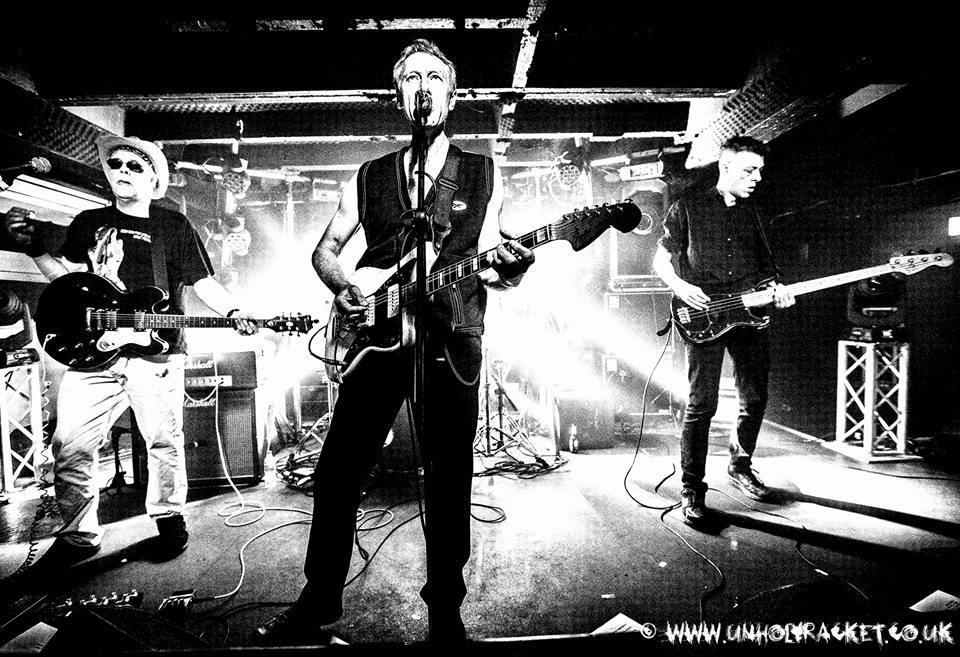
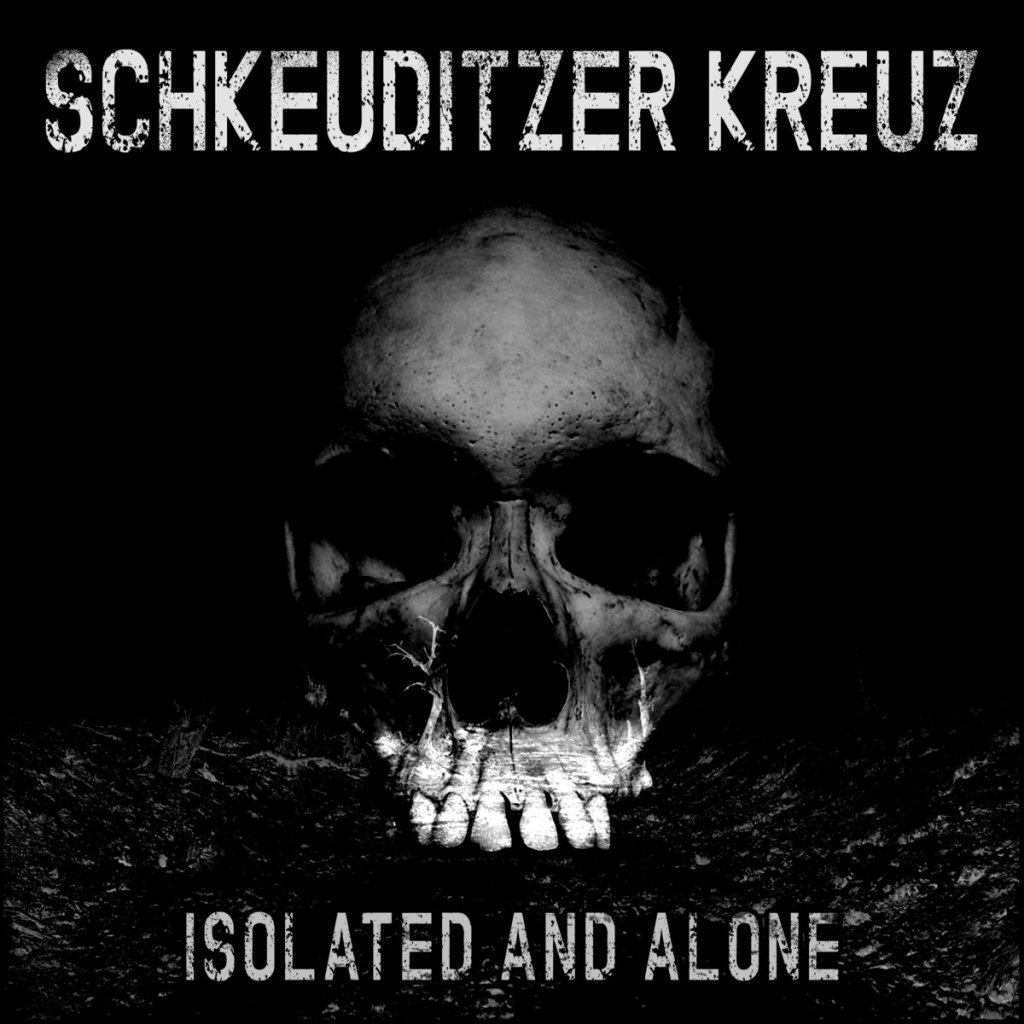
Recently we reviewed the full length album, Isolated And Alone by Schkeuditzer Kreuz, which is a journey in some ways, into the mind of the man behind SK, Kieren Hills. How did this power house record come into being and what makes Hills tick? Read on and find out……..

KIEREN HILLS – SCHKEUDITZER KREUZ

Welcome to the weird side Kieren Hills. You started off in the punk scene. What drew you to this music?

I first got into punk some point in the 80s when I was a teenager, starting with some of the more standard, commercial bands like the Clash/Sex Pistols etc and then delving deeper form there. All the time I was looking for music that sounded “more” – angrier, louder, more real, more intense. I didn’t want to hear anything nice but at the same time didn’t know what I wanted. I lived in town in New Zealand where the access to such things were kind of limited. I am not exactly sure what the first “industrial” song I heard was but it may well have been AFFCO by The Skeptics. A song that is musically intense but also had a pretty full-on video that was played about once on TV and then was banned. It resonated with me quite strongly and I loved the driving rhythm of it and the noise and the heart behind it. From there I started looking out for more industrial stuff as well as punk stuff. I didn’t see the two as separate really. They were different ways of expressing anger through sonic violence and aural assault and they both worked for me. Punk had always been (to me) more about energy than talent – not that you can’t have talent but if your music was more about showcasing your abilities than getting out your frustrations then it seemed to miss the point for me. And that feeling seemed to flow in the industrial stuff I was hearing – it was a raw release of energy, not the showing off of chops. So, most of the early industrial bands I saw – Cell, Invisible Dead, Children’s Television Workshop etc were slightly older (than me) punks who had just gone in a slightly different direction – away from guitars and more towards performance and making their own stuff.

Congratulations on not only the new SK album but also the new Dark Horse album as well. You always seem to be involved in a project, so how many are you currently a part of and will the gothic/post punk Death Church also be recording again?

Thanks! Right now I am mainly doing SK and Dark Horse. Darkhorse has been around for somewhere over a decade and I have been in it for 7 years or so. In normal times we play a lot, tour a lot, and release a record every couple of years. These times are not normal, so we are a bit stuck. Normally we would be overseas this year. SK is a full-time thing. I work on it almost every day. I will run through my songs at least once a day and when I am developing a set for tour that gets upped to twice a day. I also make the music videos, compose the art, write the songs, do all the booking and communication and all the other stuff that a band needs to do, and it takes a lot of time. I am not complaining here – it is just true that if you do a solo thing that wants to release and play a lot, it takes a heap of work. I have recently started jamming with a couple of friends with an intention towards Japanese metal/punk kind of stuff. It remains to be seen how much time I can put into that though. Once Dark Horse really kicks off again and SK is in full flight it might not leave a lot of down time.

As for Death Church – it is definitely dead. We never wanted to do anything with different members, or any kind of lineup change so with a guitarist in NZ, a singer in melbourne and a drummer doing her own thing, it is definitely over. It was a fun ride though.

Is Industrial music something you have always been interested in or has it been a music that you have found yourself being draw to?

As mentioned before – I saw industrial as an extension of punk. Most of the people I met who were doing it when I was young were punks who were a generation or two older than me who had gone that direction via the likes of Butthole Surfers, Big Black etc and the Neubauten, Laibach etc side of stuff kind of came to them and me later even if they were working on similar ideas. Obviously, there was no internet then to find music on and those European experimental records just didn’t turn up in NZ very often. But I always loved what I heard when people were getting percussive and experimental with their sound. My first attempt at actually starting an industrial band was with Glenn Maltby and a couple other friends in the 90s. It was never going to work though. Already the ideas of what industrial was had diverged sufficiently that we didn’t have as much common ground – from Insurge to ministry to NIN, Consolidated or whatever, industrial was entering into popular music and was getting more refined and more defined. And that has continued to where industrial can mean anything from a person beating a piece of sheet metal to club music with slightly harsher/more attacking drum tones than what you might hear at a mainstream nightclub.

Something I was pondering the other day – Punk is a noun. And it gets a bunch of adjectives attached to it: crust, hardcore, pop etc.

Industrial is really an adjective which gets attached to various nouns – dance, metal, hip hop, goth etc

This may seem like a pretty wanky thing to spend time pondering but the reality of it shows in the way that people react. People who like punk will often check out anything that comes under that heading. People who like one kind of industrial often have no time at all for other types of industrial. So, whereas punk community pages (for example) often have hundreds of comments and reactions to every post. Industrial pages usually have nothing at all. Because it is not a community, but just a description of different factions of other communities.

You lived in Germany for a time and that is where you got the name Schkeuditzer Kreuz. Can you tell us what is the Schkeuditzer Kreuz and why you decided on this as a project name?

If you are driving from Berlin, south, on Autobahn 9 and want to turn onto the 14 to go Leipzig, the intersection where you would do this is Schkeuditzer Kreuz – literally the kreuz (cross) near the town of Schkeuditz. I was making that trip once (in the opposite direction) and I drunkenly said to my friend who I was in the back of the car with that I would call a band that one day. So I did. It is also the oldest autobahn cross in Europe but that is pretty irrelevant. Before I called it that, I did make sure there wasn’t any particularly fucked history attached to it. I did not want to call my rather silly band after a place which had war atrocities associated with it or anything like that. But no. It doesn’t. It is just an intersection. Every now and then I will run into some random German who is somewhat perplexed as to why I would name my band after an intersection, and I never have a satisfactory answer for them. They usually buy a record from me anyway.

There was a lot of Laibach influence on the first EP with the more pronounced pomp but Isolated And Alone feels a little more raw. Does it feel that way for you and was part of the frustration being in lockdown for periods of time due to covid?

In between the Give Me Nothing EP and the LP I did the D-Beat Raw Synth Punk EP and I think some of the attitude I took into that one came across into the LP. There is more noise, more anger, more distortion and more layers of synth and samples. The Give Me Nothing EP is relatively sparse in comparison, I think. Even the songs that I used on both have changed in that way. I have no idea if my next recording will continue that way or not. I have two new songs in my set now that are not on any records and not only do they not really fit in with either sound, they are not even that similar to each other. I think when I find a bit more time to sit and write I will find a direction to head in next. Give Me Nothing was interesting for me – I was learning the machines I was using and working out how I wanted to express myself with them. I still have a lot to learn but I think I have developed a bit of a workflow. Each song on the GMN EP was written in a completely different way from the others as I tried new things. I hope not to get too settled though. There are a million things I don’t know about making noise and I want to try all of them.

Did you find writing and recording the album easy or was it a labour of love?

Musically, it is not so much easy as natural. I have always written songs in my head along to the sounds I hear around me – that could be the sound of musical instruments but could also be the pumping of the coffee machine, the sound of a train I am sitting on, the slight misalignment in the wheels of my car, the cracking of the machines in a factory I used to work at or the beep beep beep of a laser level. I would write riffs in my head to them. But now I also created the beats based on them. Some songs start with something that is actually musical – a synth line or whatever, but more often than not it is with a percussive pattern which I will put noise or voice samples to, to give it direction. Sometimes this is something traditionally musical – for example on Traitor I had a melody I had recorded on my phone of the painfully loud music played from the Tannoy in the street outside of a funeral in Siem Reap in Cambodia. It is piercing and confronting and played so that everyone in the neighborhood knows the funeral is happening. I had recorded this years ago and then looped it and based the whole speed and layout of the song on that loop. Other times it might be downloaded field recordings that other people have made – from factories, in the street, in conversation…. recently I found some recordings from the deck of a North Sea oil rig and wrote a song around them. From there I will follow up with synth lines – bass, melody (sort of melody anyway), drone etc. For each synth part I will create the sound from scratch. I use an analog synth, so I start with that single wave sound and develop it until I have what I want using both the inbuilt stuff on the synth and the array of distortion pedals I use. In the end – the hard bit is the vocals. I don’t think of myself as a singer. I struggle with my lyrical output. But I have worked out a way to at least write words I can live with and then I vocalise them. I think this is probably the weakest part of my sound but I am coming to terms with it.

The most punk thing in the world is to be found to be subversive by a Communist country, however it must have been galling to have your original pressing of Isolated and Alone confiscated by the Chinese government.

Fuck but this was so weird. I had the records pressed through a broker in Melbourne who uses a pressing plant in China. So we went through the process – sent them my master and they cut it to their stamper plates and sent me the test presses. I was happy enough with them and asked them to continue (all standard up to this point) and then a couple weeks later I got a phone call – the factory had pressed my records and boxed them up to send but before they were sent, they were inspected by some official or another who decided that due to content they were not suitable for export. So they destroyed the lot. Everything. I have heard words like “subversive content” and similar but who really knows? They didn’t like it so I couldn’t have it. So we started again from scratch. New plates, new tests, new records. In the end I am just happy to have them in my hands.

Punk and industrial seem to have, for the most part become the social conscience of the music scene. How do you think this came about and does it resonate with you?

The politics of punk is what got me in there and kept me there. And industrial for me has the same feel. I don’t mean big P politics necessarily – just some kind of social conscience and attitude. Angry music without a conscience is just a temper tantrum and doesn’t hold my attention for long. This is not to say that every song must be a specific political doctrine. There are definitely SK songs that are quite personal but they are still aware of how the personal crosses over to the political.

The proceeds of the album sales are going to a charity that helps and support young Trans people. Tell us about this and what other causes you find yourself drawn to.

Yeah, all digital proceeds go to Transcend. Transcend is run by a wonderful woman named Beck in Melbourne who has been helping young trans people for many years now. I have met her personally a few times at various events but known of her for longer. She and her family are a large part of the reason for some of the trans positive law reform of the last few years. Trans people, and particularly trans youth, are often left out of any conversation on the rights of the population so I figured I would do my small amount to help. I have been involved in various causes over the years both through my music and through my actions – refugee assistance, trans support, anti-racism work, pro-choice advocacy. Mostly stuff where my big mouth and (where necessary) big body can help back up people whose voice is being ignored.

What music formed your formative years and by progression, who do you find now inspires you?

First band I really got into was The Clash. And I still love them now. Although some of my feeling for them has changed – when I first heard them, they seemed quite shouty and punk or whatever. What I really appreciate about them though, and how their influence has stuck with me over the years was their willingness to try different things and go in different musical directions and to create new sounds. From there I went through the normal run of punk bands that one does – Sex Pistols, Exploited, Siouxsie, SLF etc until one day in about 1987 when I was in hospital for an extended visit and one night nurse turned up with a tape he had made for me from a punk radio show – this opened my eyes to so much amazing music – Subhumans, Conflict, and Crass for a start but also bands like Puke from Sweden and then further down into European hardcore. I guess that was a pretty life changing moment for a 15 year old. Now days I feel I am getting inspired by something new every day. All the time I am coming across so much amazing music being made by people from around the world. From grindcore like Self Deconstruction (Japan) to evil doomy sludgy stuff like Religious Observance or Whitehorse (Melbourne) to dark curst bands like Ego (Germany) or black metal like Black Kirin and Zuriaake from China to weirdness out of the States like Hustler or whatever. Pretty much not a day goes past where someone doesn’t go “hey Kieren – check this!” and there is always something incredible attached. There is so much amazing music being created right now and most of it is available directly from the bands on their Bandcamp.

You have tour dates established for the East Coast of Australia, so what will be the plans for SK after the tour? Will there be another album and/or were there rumblings about touring overseas at some point?

So, yeah, after the tour… I am not sure. I really want to go and play in Europe. I have toured there with various hardcore bands I have been in, but I would very much like to take SK over there. Of course, that depends on what happens with the virus though. If it starts to settle, I will start looking at booking shows there. I am trying not to put too much mental energy into that yet though. Likewise, I was going to go to NZ but that is out for now. I want to add more to my Australian travels. I haven’t been to Tasmania or W.A with SK yet so will get that happening. My next recording I am not sure what I will do with that. Maybe a split with someone inappropriate. Maybe an ill advised single. I don’t really know. But I will keep going and keep creating stuff until it becomes too much like work and then I will stop. Can’t see that happening in a hurry though.

Thank you so very much for your time and looking forward to the latest tour!

Thanks for the interview. See you soon!

https://dorfpunk.bandcamp.com/album/isolated-and-alone